
Call us now :08045801834
 Send Inquiry
Certificate Of Origin

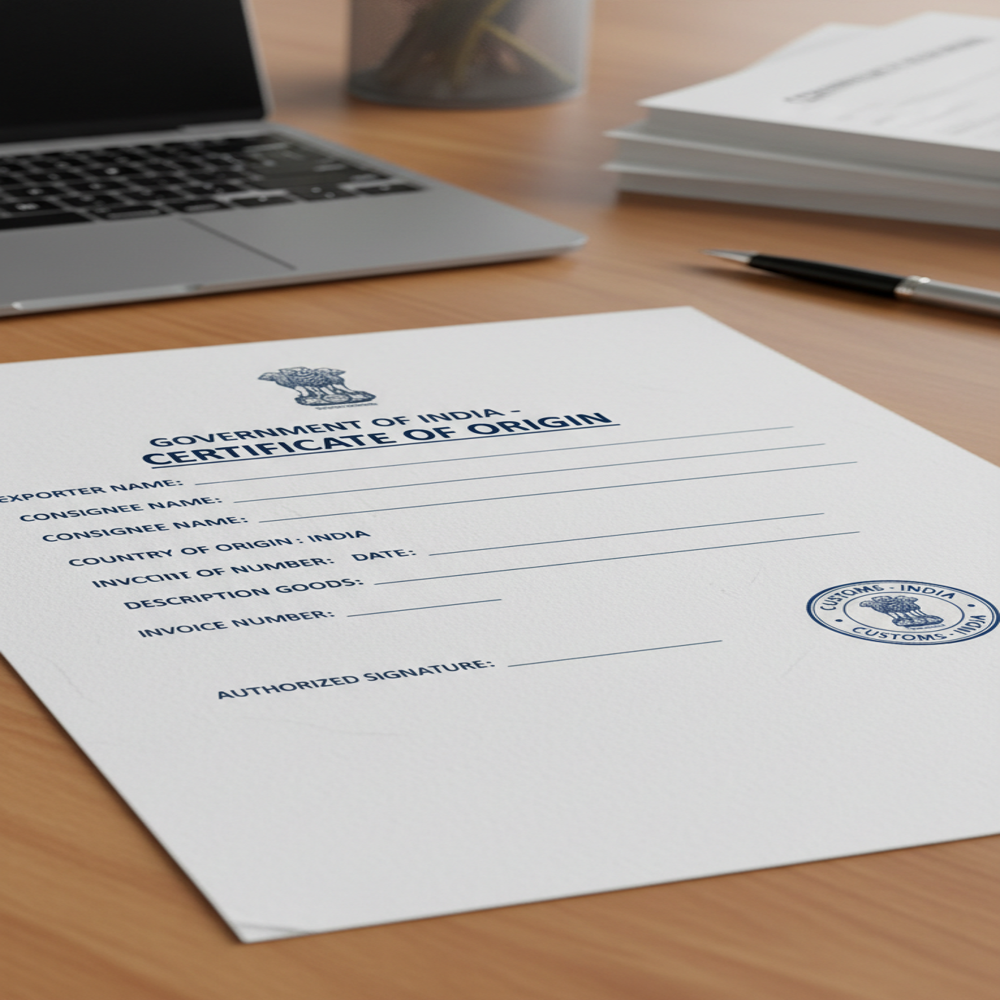
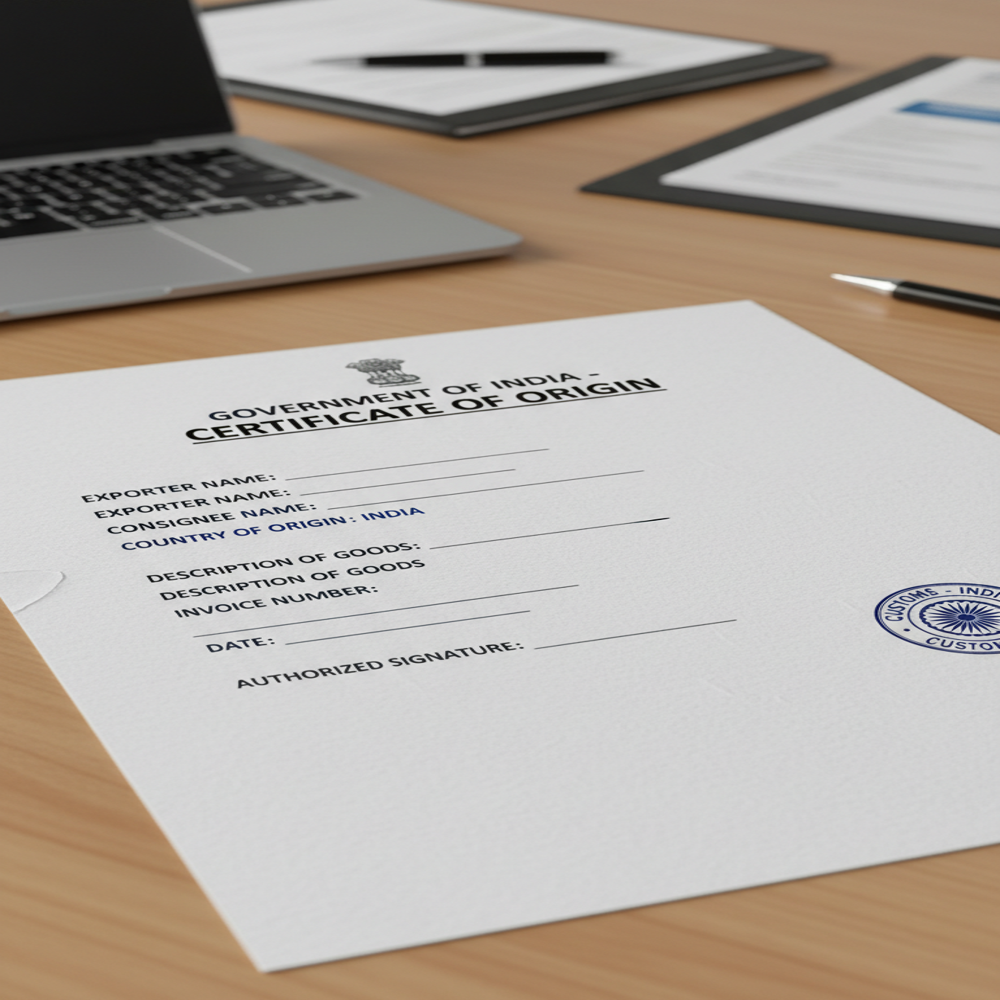
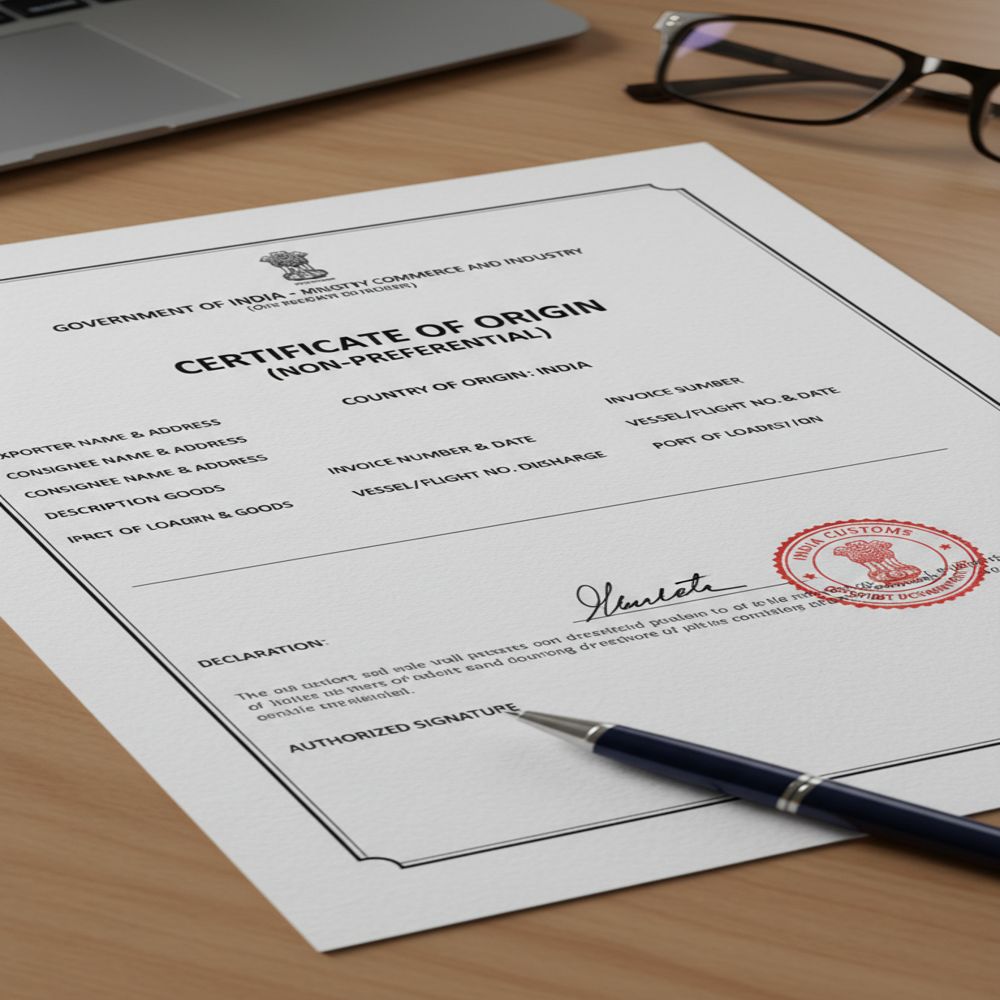
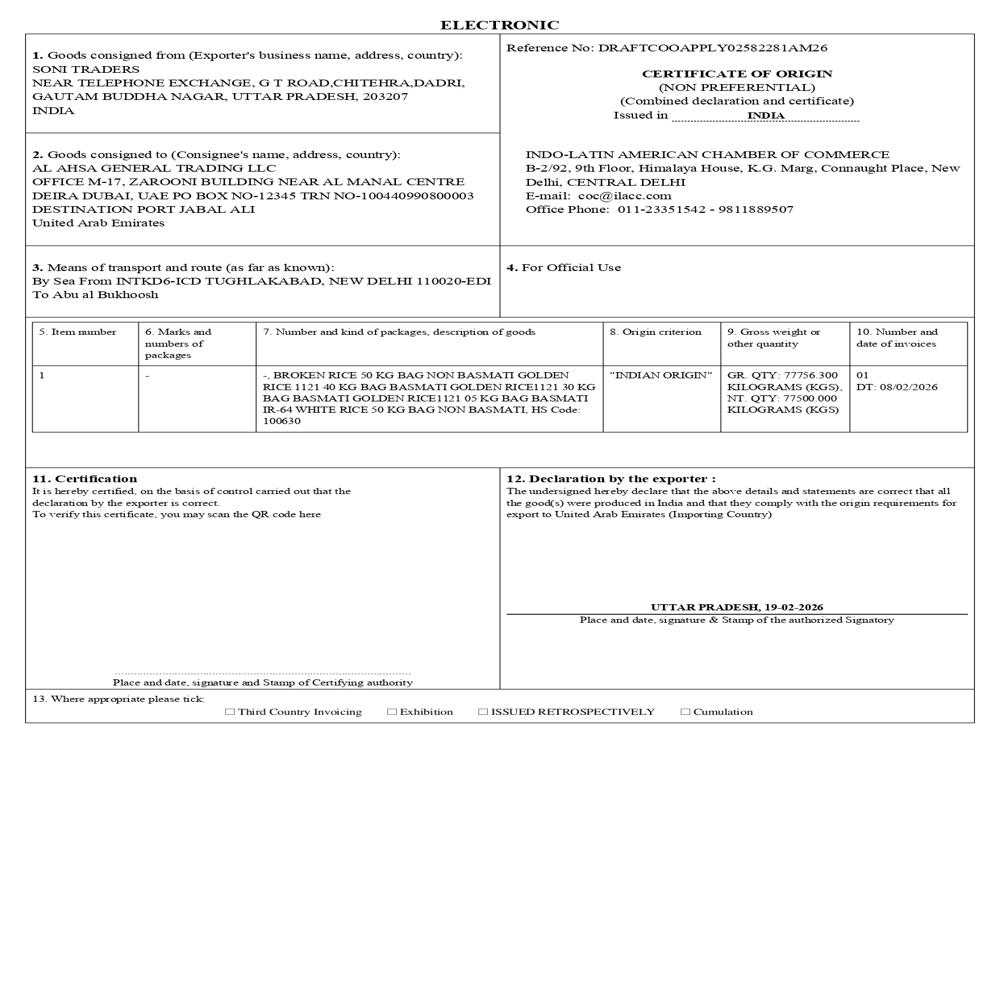

Certificate Of Origin Specification
- Submission
- Provided with shipping documents to customs officials
- Legal Compliance
- Must comply with both exporter and importer country regulations
- Signature Requirement
- Signed by an authorized official
- Security Features
- May include stamps, watermarks, or official seals
- Document Validity
- Valid for a single shipment
- Language
- Typically English or as required by destination country
- Processing Time
- Varies depending on issuing authority
Certificate Of Origin Trade Information
- Minimum Order Quantity
- 1 Unit
- Payment Terms
- Cash in Advance (CID)
- Supply Ability
- 11 Units Per Day
- Delivery Time
- 3 Days
- Sample Available
- No
- Main Export Market(s)
- Asia, Australia, Central America, North America, South America, Eastern Europe, Western Europe, Middle East, Africa
- Main Domestic Market
- All India
- Certifications
- Exporters can obtain this certificate from the respective authorized agencies.
About Certificate Of Origin
A Certificate of Origin (CoO) is an essential document in international trade, certifying that the exported goods are wholly obtained, produced, manufactured, or processed in India.
This certification is crucial for determining the origin of goods and plays a significant role in assessing tariffs, enforcing trade policies, and ensuring compliance with the export import regulations of the destination country.
This is often required to meet the import regulations of the destination country or the contractual obligations between trading partners. Various authorized bodies by the Government of India, including local Chambers of Commerce, Export Promotion Councils, and Trade Associations issuing that certificate. Every Exporters can efficiently obtain the necessary Certificates of Origin, facilitating smooth international trade operations and compliance with global trade requirements.
Purpose and Importance of Certificate of Origin
The Certificate of Origin serves as proof of the manufacturing origin of goods being exported. It is a critical document for customs clearance and helps determine applicable duties and compliance with trade agreements. Without it, businesses may face delays, penalties, or even shipment rejections at the destination port, making its accuracy and proper submission essential in international trade.
Key Security and Compliance Features
To ensure authenticity and prevent forgery, Certificates of Origin typically include signatures from authorized officials, stamps, watermarks, or official seals. Legal compliance is required with both the exporters and importers country regulations. These aspects guarantee the documents reliability, safeguarding exporters, importers, and authorities from fraudulent activity and facilitating smooth customs processing.
FAQs of Certificate Of Origin:
Q: How is a Certificate of Origin processed for shipments from India?
A: A Certificate of Origin can be obtained through the relevant issuing authority, such as trade chambers or export councils in India. The exporter submits required shipment details along with supporting documents. Once verified, the authorized official signs and applies security features to the certificate before it is provided for use.Q: What information must be included on the Certificate of Origin?
A: The certificate should clearly state the product details, exporter and consignee names and addresses, country of origin, and any shipment-specific data. Security features and the signature of an authorized official are also mandatory to authenticate the document.Q: When is a Certificate of Origin required for export shipments?
A: A Certificate of Origin is typically needed for every individual shipment that requires proof of origin, especially when exporting to countries that mandate it for customs clearance or preferential tariff treatment. It must be prepared and authorized before the goods are shipped.Q: Where should the Certificate of Origin be submitted during the shipping process?
A: The completed Certificate of Origin must accompany other shipping documents and is presented to customs officials at the destination countrys entry point to confirm the origin of the goods and facilitate clearance procedures.Q: What benefits does a Certificate of Origin provide to exporters and importers?
A: This document enables exporters to meet international trade requirements, avoid customs delays, and access preferential trade agreements where applicable. For importers, it assures compliance and may reduce import duties depending on bilateral or multilateral trade agreements.Q: How long is a Certificate of Origin valid?
A: A Certificate of Origin is valid for a single shipment only. Each new export consignment must be accompanied by a new, properly issued certificate to comply with regulations and facilitate customs processing.Tell us about your requirement

Price:
Quantity
Select Unit
- 50
- 100
- 200
- 250
- 500
- 1000+
Additional detail
Mobile number
Email

More Products in Certification Category


 Send Inquiry
Our Products
- Wooden packing Material
- Wooden Pallets And Crates
- Termite Control
- Pest Control
- Fumigation
- Pesticide
- Packing Material
- Certification
- Export Wooden Packing
- Seaworthy Export Packing
- Palletization
- Cargo Lashing & Choking
- Export Container Lashing
- Container Fumigation
- Fogging Solution
- Pest Control Training
- Pest Control Job

Plot No. 206, Ground Floor, Near T&T Homes, Sector 07, Siddharth Vihar, Indirapuram,Ghaziabad - 201009, Uttar Pradesh, India

Mr. Sourabh
(Proprietor)
Mobile :08045801834
 Send Inquiry
 Send SMS
 Call Me Free
Developed and Managed by Infocom Network Private Limited.
