
Call us now :08045801834
 Send Inquiry
Lashing & Choking
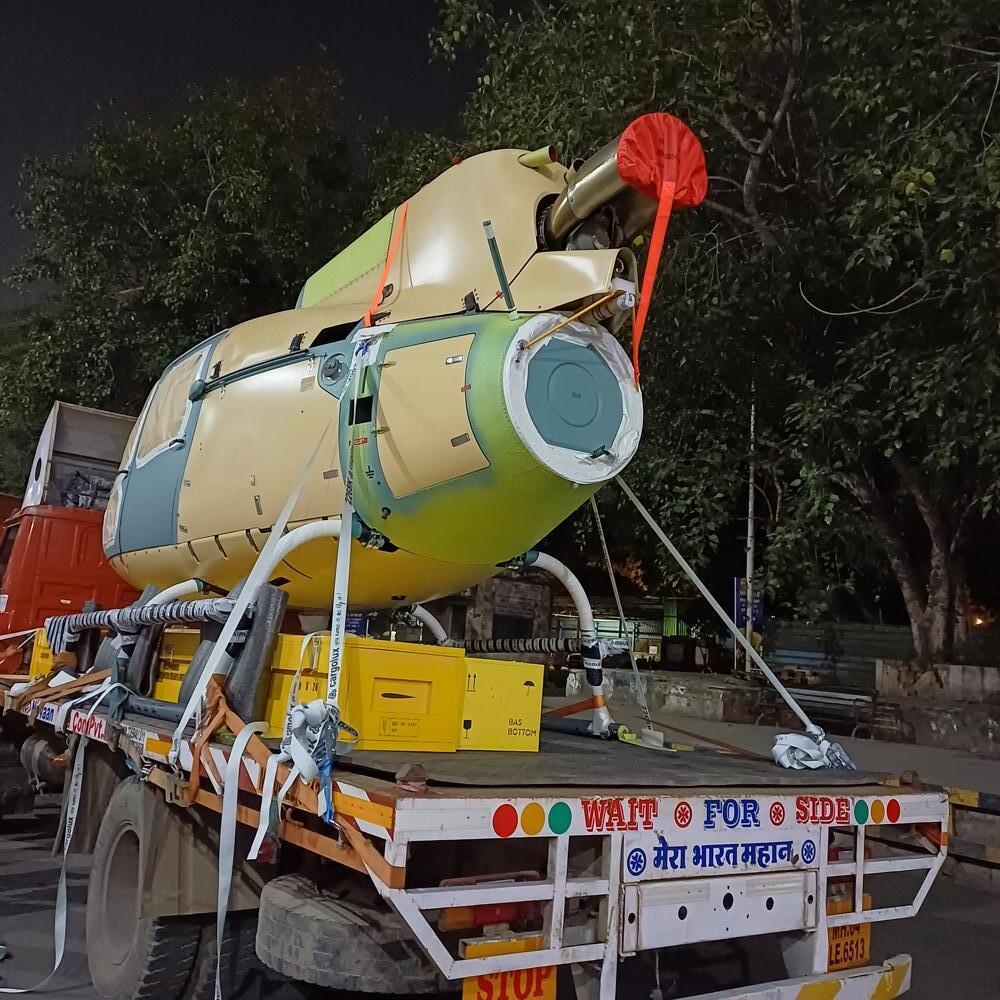

Lashing & Choking Specification
- Usage & Applications
- Container Lashing Services
- Size
- Standard
- Product Type
- Lashing & Choking
- Usage
- industrial
- Length
- Standard Millimeter (mm)
Lashing & Choking Trade Information
- Minimum Order Quantity
- 1 Unit
- Supply Ability
- 10 Units Per Day
- Delivery Time
- 3 Days
- Sample Available
- No
- Main Export Market(s)
- Australia, Central America, North America, South America, Eastern Europe, Western Europe, Asia, Middle East, Africa
About Lashing & Choking
Lashing and Choking are essential techniques used to secure cargo during transportation, ensuring the protection and stability of goods while in transit.
Lashing involves the use of strong ropes, chains, or straps to tightly secure the cargo to a fixed point, such as the walls or floor of a shipping container or vehicle. This prevents the cargo from shifting or moving during transport, reducing the risk of damage. Lashing is especially important for heavy or irregularly shaped goods.
Choking is a technique where cargo is tightly wedged or blocked using materials like wooden dunnage, wedges, or inflatable airbags. The cargo is "choked" between these materials, ensuring it remains immobile and stable during movement. This is particularly useful for smaller or delicate items that may be prone to shifting.
Together, lashing and choking ensure the safe and secure transportation of goods, minimizing the risk of damage or loss during movement, whether by road, rail, sea, or air.
Scope of Work: We will apply the composite straps to securely fasten the machinery in container, utilizing the hooks to ensure a tight and firm hold. The composite straps will be tensioned to ensure that the machinery is properly held, preventing damage during transportation. to be ensure that your machinery safely arrives at its destination.
FAQs of Lashing & Choking:
Q: How are lashing and choking systems used in container lashing services?
A: Lashing and choking systems are used to securely fasten containers to prevent movement during transportation, ensuring safety and stability in industrial applications.Q: What sizes and standards are available for lashing and choking systems?
A: The systems are available in standard sizes and adhere to industrial specifications, including measurements in millimeters (mm).Q: Where can the lashing and choking systems be applied within industrial operations?
A: They are primarily used in container lashing services, especially for securing goods during shipping, whether by road, rail, or sea.Q: What is the process involved in using lashing systems for container lashing?
A: The process involves strategically placing and tightening lashing tools and accessories around containers to minimize movement, following standard mm size guidelines.Q: What are the benefits of using standard-size lashing and choking systems?
A: The benefits include enhanced safety, consistency in securement, compatibility with various industrial applications, and compliance with global shipping standards.Q: When should lashing systems be inspected in container lashing services?
A: Lashing systems should be inspected before and after each use to ensure they meet standard structural integrity and millimeter specifications.Q: How does the usage of standardized lashing systems improve industrial operations?
A: Standardized systems improve efficiency, reduce the risk of accidents, and ensure the secure transport of goods across diverse industrial sectors.Tell us about your requirement

Price:
Quantity
Select Unit
- 50
- 100
- 200
- 250
- 500
- 1000+
Additional detail
Mobile number
Email


 Send Inquiry
Our Products
- Wooden packing Material
- Wooden Pallets And Crates
- Termite Control
- Pest Control
- Fumigation
- Pesticide
- Packing Material
- Certification
- Export Wooden Packing
- Seaworthy Export Packing
- Palletization
- Cargo Lashing & Choking
- Export Container Lashing
- Container Fumigation
- Fogging Solution
- Pest Control Training
- Pest Control Job

Plot No. 206, Ground Floor, Near T&T Homes, Sector 07, Siddharth Vihar, Indirapuram,Ghaziabad - 201009, Uttar Pradesh, India

Mr. Sourabh
(Proprietor)
Mobile :08045801834
 Send Inquiry
 Send SMS
 Call Me Free
Developed and Managed by Infocom Network Private Limited.
